Dear reader,
I’ve spent more than fifteen years working in artificial intelligence, from early machine learning startups to helping bring ChatGPT to the world at OpenAI, to helping organizations of all sizes around the world deploy AI and navigate this moment.
I understand the technology deeply, have no insider covenants barring me from speaking my mind, and spend a fair share of my time contemplating what this technology means for my daughter and the other people I care about.
A few years ago, I left OpenAI and moved home to Santa Barbara to be closer to my family and refill my spiritual cup. I spent a lot of time considering my purpose and what I wanted my legacy to be, and I admit that was at times a struggle. I then met my wife, a Waldorf preschool teacher. Last year, we welcomed our first daughter, Frankie, into the world, and everything clicked into place.
Nearly everyone I meet is wearing two hats. One asks how to get ahead with AI, whether in business, at work, or in life. The other asks how to do so without leaving the world worse off for the people they care about.
I believe we can do both. But only with intention.
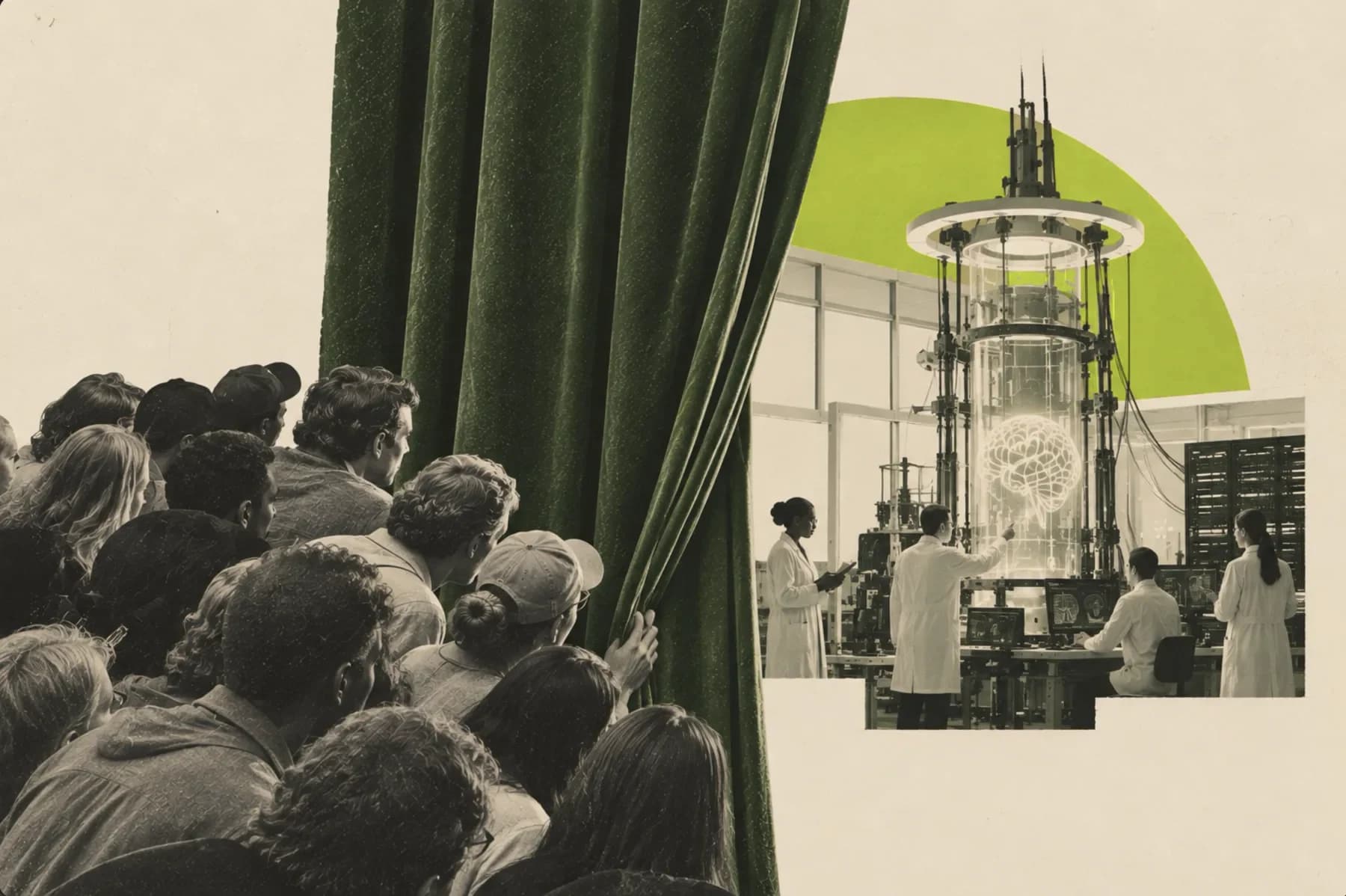
Intelligence is becoming abundant. That’s an extraordinary development, but abundance is morally neutral. AI can help us solve problems that have challenged humanity for generations. It can also amplify some of our worst instincts.
Neither outcome is inevitable.
Today, I spend my time helping people navigate that tension. In boardrooms, on stages, and through my writing, I try to make sense of what’s changing, what matters, and where we still have agency.
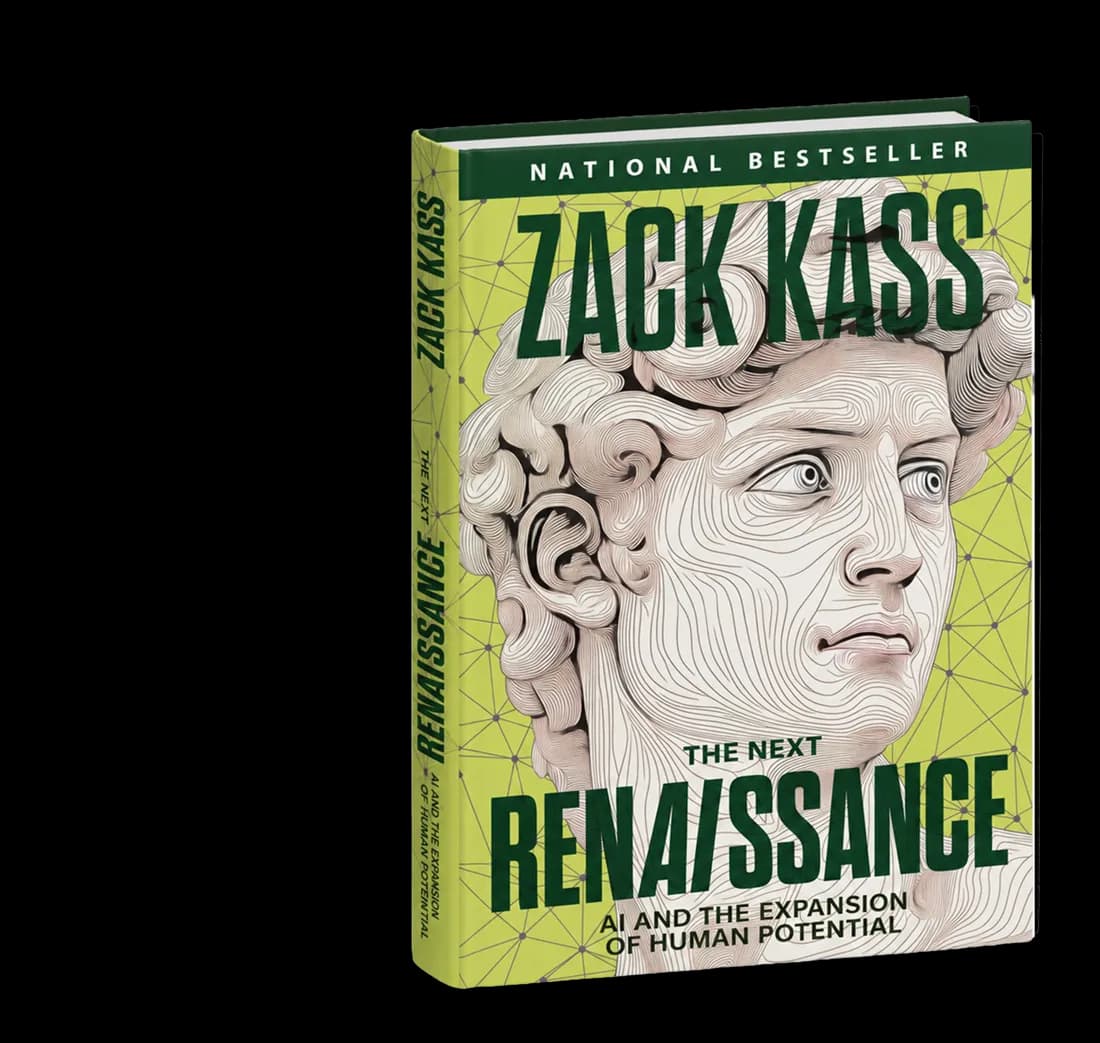
I believe the next Renaissance is possible. Whether we realize it will depend less on what machines become capable of doing and more on what we choose to do with them.
For Frankie, and for everyone who will inherit the world we’re building, I think that’s worth getting right.